1. Introduction to Multan Weather
Overview of climate conditions
Multan is one of the hottest cities in South Asia, known for its extreme weather conditions throughout the year. The keyword “multan wather” usually refers to the climate patterns, seasonal changes, and temperature variations in Multan. The city experiences a desert climate, which means long, very hot summers and short, mild winters. Rainfall is limited, and most of the year remains dry and sunny.
2. Summer Season in Multan
Extremely hot and dry weather
Summer in Multan lasts from April to September and is known for intense heat waves. Temperatures often rise above 45°C, making it one of the hottest regions in Pakistan. Dry winds, called “loo,” blow during peak summer, increasing discomfort. Dust storms are also common, reducing visibility and affecting daily life. People usually avoid outdoor activities during midday hours.
3. Winter Season in Multan
Mild and comfortable temperatures
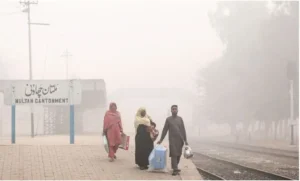
Winter in Multan starts in November and lasts until February. During this season, temperatures drop to around 7°C to 20°C. The weather becomes pleasant and suitable for outdoor activities. Fog can occur in early mornings, especially in December and January, affecting transportation. Overall, winter is considered the most enjoyable season for residents and tourists.
4. Monsoon Season in Multan
Rainfall patterns and humidity
The monsoon season arrives between July and September, bringing short but sometimes heavy rainfall. Although Multan does not receive as much rain as northern cities, the humidity level increases significantly. This makes the weather feel warmer and more uncomfortable. Urban flooding can occur in low-lying areas due to poor drainage systems.
5. Spring Season in Multan
A short but pleasant transition
Spring in Multan is brief, usually lasting from March to April. During this time, the weather is moderate and comfortable. Flowers bloom, and greenery becomes more visible in parks and gardens. Temperatures gradually rise, marking the transition from mild winter to extreme summer. This season is ideal for outdoor events and tourism.
6. Autumn Season in Multan
Cooling down after summer heat
Autumn occurs from October to November and brings relief after the long summer. Temperatures start to drop, and the air becomes less dry. Although not very long, this season is important as it prepares the region for winter. The environment becomes more stable and pleasant during this period.
7. Climate Challenges in Multan
Heatwaves and environmental issues
Multan faces several weather-related challenges, especially heatwaves during summer. Rising temperatures due to climate change have made conditions more extreme in recent years. Water scarcity and dust pollution are also major issues. These challenges affect agriculture, daily life, and public health, especially for outdoor workers.
8. Best Time to Visit Multan
Ideal months for travel and tourism
The best time to visit Multan is between November and March when the weather is cool and comfortable. During these months, tourists can explore historical sites, shrines, and local markets without facing extreme heat. This period is also perfect for cultural festivals and outdoor sightseeing.
Conclusion
Multan’s weather is a mix of extreme heat, short rainy spells, and mild winters. Understanding “multan wather” helps residents and travelers plan their activities better. While summers can be harsh, the winter and spring seasons offer a pleasant climate that highlights the beauty and culture of the city.